
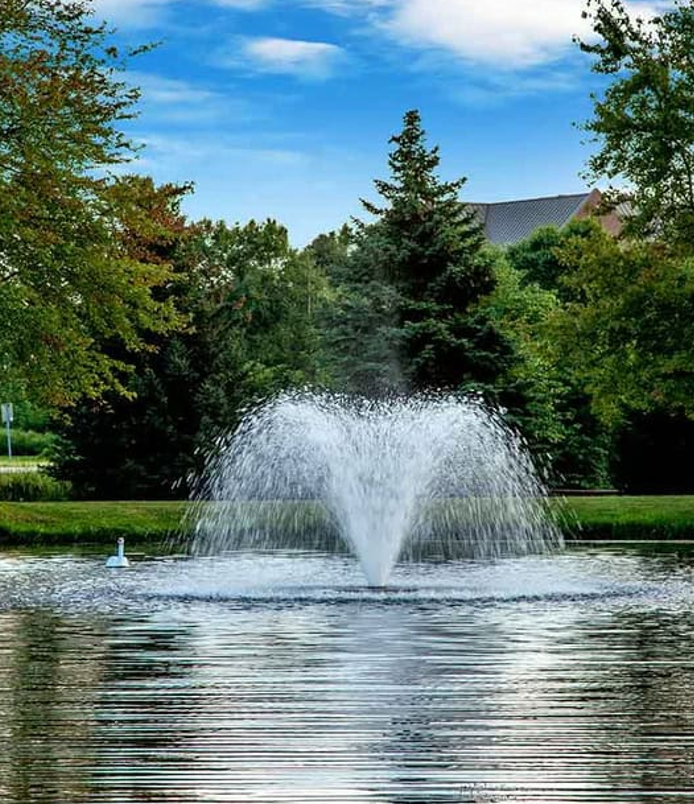
The Real Reasons Pond Fountains Fail And How to Avoid Them
Pond fountains add beauty and function to any water feature, but they don’t always perform as expected. Many installations run into problems within the first season, leaving owners frustrated and searching for answers. Understanding what causes these failures can save you time, money, and a lot of unnecessary headaches down the road.
When you invest in a pond fountain, you expect reliable performance and lasting results. The Fountain Tech Company specializes in helping customers avoid the common pitfalls that plague fountain installations. Most failures stem from preventable mistakes made during the selection and setup process. Getting expert guidance early can mean the difference between a fountain that thrives and one that becomes a constant source of problems.
Choosing the Wrong Pump Size Creates Immediate Problems
Undersized Pumps Lead to Poor Performance: Perhaps the most common mistake involves selecting a pump that simply can’t handle the job. When the pump lacks sufficient power, your fountain produces weak spray patterns that look unimpressive and fail to provide adequate aeration. An undersized pump works harder, runs hotter, and typically fails much sooner than a properly sized unit would under normal conditions.
Oversized Units Waste Energy and Money: Going too large presents different challenges that are just as frustrating. An oversized pump pushes too much water through the system, creating excessive spray that drifts beyond your pond boundaries. This wastes water through evaporation and can damage nearby plants or structures. The unit also consumes more electricity than necessary, driving up your operating costs month after month without providing any real benefits.
Calculating Proper GPH Requirements: Getting the gallons per hour rating right requires understanding your specific pond conditions. You need to account for pond volume, desired spray height, and the vertical distance water must travel. Taking accurate measurements and consulting pump specifications ensures you match the equipment to your actual needs instead of just guessing at what might work.
Poor Placement Decisions Doom Fountains from the Start
Shallow Water Installations Cause Multiple Issues: Placing a fountain in water that’s too shallow creates a cascade of problems you’ll battle constantly. The pump intake sits too close to the pond bottom, pulling in sediment and debris with every cycle. This clogs the intake screen, reduces flow rates, and forces the impeller to work against resistance. The motor overheats, parts wear out faster, and you’re looking at premature failure or frequent cleaning sessions.
Wind Exposure Reduces Effectiveness: Setting up your fountain where it faces constant wind might seem harmless, but the effects add up quickly. Wind pushes the spray pattern to one side, reducing the aesthetic appeal you were hoping to achieve. The displaced water creates uneven circulation in your pond and increases evaporation losses. You end up refilling the pond more often and the fountain never looks quite right.
Distance from Power Sources Matters: Running long extension cords to reach your fountain introduces safety risks and voltage drop issues. The electrical resistance in long cords reduces the power reaching your pump, which affects performance and can damage the motor. Installing proper outdoor electrical outlets near the fountain location prevents these complications and ensures reliable power delivery to your equipment.
Ignoring Water Quality Sets You Up for Failure
Debris Accumulation Kills Pumps Faster: Leaves, twigs, algae, and organic matter constantly enter your pond through natural processes. Without adequate filtration or regular cleaning, this debris finds its way into your pump intake. The impeller gets jammed, the motor labors under increased load, and internal components wear down rapidly. Many pump failures blamed on manufacturing defects actually result from operating in dirty water conditions that were never addressed properly.
Chemical Imbalances Create Corrosion: Water chemistry affects your fountain equipment more than most people realize. High acidity or alkalinity levels attack metal components, seals deteriorate faster, and plastic parts become brittle over time. Testing your water regularly and making adjustments keeps everything within safe ranges. Neglecting water quality means replacing parts more frequently and dealing with failures that could have been prevented.
See also: Is a Hair Transplant in Dubai Worth It for Your Confidence and Look?
Common Installation Mistakes You Can Avoid
Understanding where others go wrong helps you make better decisions for your own fountain setup:
- Incorrect head height calculations that don’t account for actual vertical lift requirements, resulting in weak performance.
- Failure to level the fountain properly, causing uneven spray patterns and premature wear on moving parts.
- Using indoor extension cords outdoors, which creates shock hazards and often violates electrical codes in residential areas.
- Neglecting to install a ground fault circuit interrupter, exposing users to dangerous electrical faults near water.
- Positioning the fountain where it blocks beneficial circulation patterns needed for healthy pond ecosystems.
Recognizing Warning Signs Before Complete Failure
Performance Changes Signal Developing Problems: Your fountain doesn’t just quit without warning in most cases. You’ll notice the spray height dropping gradually, unusual noises coming from the pump housing, or vibrations that weren’t there before. These signs tell you something’s wrong and needs attention soon. Ignoring them lets small problems grow into major failures that cost significantly more to fix or require complete replacement.
Electrical Issues Demand Immediate Action: Tripped breakers, flickering lights, or buzzing sounds around your fountain setup indicate electrical problems you can’t ignore safely. These issues might point to damaged cords, failing pump motors, or water infiltration into electrical connections. Continuing to operate under these conditions risks serious equipment damage, electrical fires, or personal injury. Shutting down and investigating immediately protects both your investment and your safety.
Conclusion
Pond fountain failures rarely happen by chance or bad luck alone. Most problems trace back to avoidable mistakes in pump selection, placement decisions, or maintenance practices. Taking time to understand your pond’s specific requirements and following proven installation guidelines sets you up for success from day one. Don’t let your fountain become another cautionary tale when simple planning and proper care can ensure years of reliable, beautiful performance. Start by assessing your current setup honestly and making any needed corrections before small issues turn into expensive repairs.