How tech innovations are transforming personal health monitoring
Technology is transforming every aspect of life, and personal health is no exception. In the Netherlands, there’s a significant shift happening in how people monitor and manage their well-being. With the rise of health apps and wearables, staying on top of one’s health has never been this accessible or engaging.
The rise of health apps and wearables
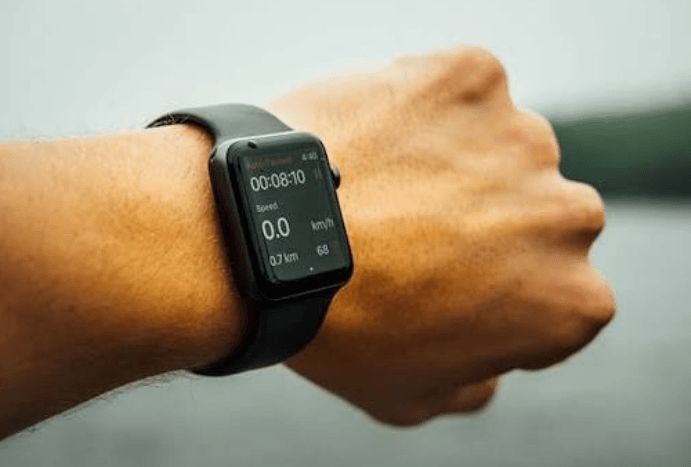
Health apps and wearables are becoming ubiquitous. Not too long ago, the idea of tracking your heart rate or sleep patterns with a device on your wrist seemed like something out of a sci-fi movie. Today, it’s part of the daily routine for many. These gadgets don’t just track steps; they monitor heart rates, oxygen levels, stress levels, and even sleep cycles. It’s like having a mini personal trainer and health advisor wrapped around your wrist.
But it’s not just about numbers and data. The real magic lies in how these insights translate into actionable advice. Feeling stressed? Your smartwatch might suggest a breathing exercise. Haven’t moved in a while? It may nudge you to take a short walk. It’s like having a little health-conscious buddy that keeps you in check.
Smart ways to monitor your well-being
Gone are the days when you had to wait for an annual check-up to get a sense of your health status. With smart devices, real-time monitoring offers immediate feedback. For instance, some apps can sync with wearables to provide an overall health score based on various metrics. It’s like getting a mini report card on your well-being every day.
Moreover, these technologies often come with community features, allowing users to share their progress and challenges with friends or join groups with similar health goals. It turns maintaining health into a social activity, which can be incredibly motivating. Think about it – who wouldn’t want a bit of friendly competition or encouragement from peers?
Dutch innovations in health tech
The Netherlands is known for its innovative spirit, and this extends to health tech as well. Dutch companies and research institutions are at the forefront of developing cutting-edge solutions that are shaping the future of healthcare. For instance, platforms like Instech Netherlands are contributing significantly to advancements in this field.
From AI-driven diagnostic tools to advanced telemedicine platforms, Dutch innovations are making waves globally. One standout area is personalized medicine, where treatments are tailored to individual genetic profiles. Imagine a world where medications and therapies are customized specifically for you – reducing side effects and increasing effectiveness.
Another exciting development is in the realm of wearable technology. Dutch startups are pioneering devices that go beyond fitness tracking – think wearables that can detect early signs of chronic diseases or even predict potential health issues before they become serious concerns. Additionally, innovations like the body scanner are proving to be game-changers in early diagnosis and health monitoring.
How telemedicine is reshaping doctor visits
Telemedicine has seen explosive growth, especially in recent years. The convenience it offers is unparalleled – no more waiting rooms or travel time. Patients can consult with their doctors from the comfort of their homes through video calls and online platforms.
This shift is particularly significant in the Netherlands, where the healthcare system is already under tremendous pressure. Telemedicine helps alleviate some of this by streamlining routine consultations and follow-ups. Doctors can efficiently manage more patients, and patients receive timely care without the hassle of scheduling physical appointments.
Moreover, telemedicine platforms often come equipped with integrated tools for monitoring vitals and sharing medical records securely. This means doctors have access to up-to-date information during consultations, leading to more informed decisions and better care outcomes.
See also: The Benefits of Using a Search as a Service Platform for Small Businesses
Are digital health records making life easier?
Digital health records are another game-changer in the healthcare landscape. Gone are the days of bulky paper files and endless paperwork. With digital records, all your medical history is stored securely online, accessible with just a few clicks.
This not only makes life easier for patients but also for healthcare providers. Doctors can quickly access past medical records, test results, and treatment plans – ensuring continuity of care even if you switch providers or move to a new city.
Plus, digital health records enhance patient engagement. Many platforms offer portals where patients can view their records, schedule appointments, request prescription refills, and even communicate directly with their healthcare team. It’s all about putting more control into the hands of patients – empowering them to take an active role in managing their health.
The future of tech in personal health
The future of tech in personal health looks incredibly promising. With continuous advancements in AI, machine learning, and data analytics, we’re moving towards an era where predictive healthcare becomes the norm.
Imagine getting alerts about potential health issues before they manifest based on patterns detected by your wearable devices or apps. Or receiving personalized health advice tailored to your unique genetic makeup and lifestyle choices. The possibilities are endless and exciting.
However, it’s essential to remain mindful of privacy concerns and ensure that all this sensitive data is handled securely. As technology continues to evolve, so too must our approaches to data protection and ethical considerations.
In conclusion (oops, not supposed to say that!), technology is undoubtedly revolutionizing how we approach personal health in the Netherlands. From smart wearables to telemedicine and digital health records – the future is here, and it’s looking healthier than ever.