Why you should eat ube before your workouts
Purple foods are gaining popularity for their benefits, and among them, ube stands out not only for its unique flavour, but also for its role in athletic nutrition. If you’re wondering whether eating ube before sport is just trendy or truly useful, this article will give you clear, researched, and practical answers. No fluff, no hype just straight facts and insight for those looking to optimise their training through better pre-workout nutrition.
What is ube and why is it gaining popularity in sport?
Ube, also known as purple yam, is a starchy root vegetable that has long been a staple in Southeast Asian cuisine. With its vivid violet hue and naturally sweet flavour, it’s often used in desserts but its nutritional composition is what draws the attention of health-conscious individuals and athletes today. Rich in complex carbohydrates, ube provides long-lasting energy a key component for those engaging in endurance sports, gym workouts or high-intensity interval training. It’s also packed with vitamins and antioxidants such as vitamin C, vitamin A, potassium, and anthocyanins, which may help support immune function and reduce inflammation. Including a source of purple yam like this in your diet could give you a natural, unprocessed fuel alternative before physical activity.
Beyond its basic nutrient profile, what makes ube particularly appealing to athletes is its glycaemic balance. Unlike refined carbs that cause a spike in blood sugar followed by a crash, ube is digested more slowly, delivering a steadier stream of energy. Think of it as a log on a campfire, burning steadily compared to the quick flash of paper.
Its texture smooth and creamy when cooked makes it incredibly versatile. You can mash it, bake it, blend it into smoothies, or mix it into pre-workout snack bars. This allows athletes to integrate it easily into their meal prep routines, regardless of dietary preferences. Athletes who train in hot conditions may also appreciate that ube is a natural source of potassium, supporting hydration and muscle function. Compared to bananas or sports drinks, ube offers a slower-releasing source of this mineral, which might help reduce muscle cramps and fatigue during extended sessions.
Can eating ube improve sports performance naturally?
The performance link between ube and sport isn’t about miracle results, but about smart fuelling. Carbohydrates are a primary energy source for physical exertion, and ube fits the bill by offering both glucose support and broader nutritional benefits. Anecdotally, athletes report feeling more stable energy levels when they include natural starchy foods like ube in their pre-workout meals. Unlike high-sugar options that may lead to crashes mid-session, ube provides energy with fewer fluctuations. It’s like choosing a well-tuned bicycle over one with a flat tyre smoother, more consistent performance.
Anti-inflammatory potential
The bright purple colour of ube comes from its anthocyanin content, a group of antioxidants also found in blueberries and red cabbage. These compounds are being studied for their potential to reduce oxidative stress and support recovery after strenuous exercise. For those involved in sports requiring explosive strength and fast recovery such as sprinting, powerlifting, or football the subtle support that comes from reducing inflammation may make a noticeable difference over time.
Immune system support
Training at high intensity regularly can suppress the immune system temporarily. Vitamin C and beta-carotene in ube can contribute to immune function, helping to keep athletes consistent in their routines rather than sidelined by illness. Ultimately, while no single food is a magic solution, including purple yam in your pre-sport nutrition may offer a small but meaningful edge especially when paired with overall smart nutrition and proper hydration.
How to prepare ube before sport: practical ideas
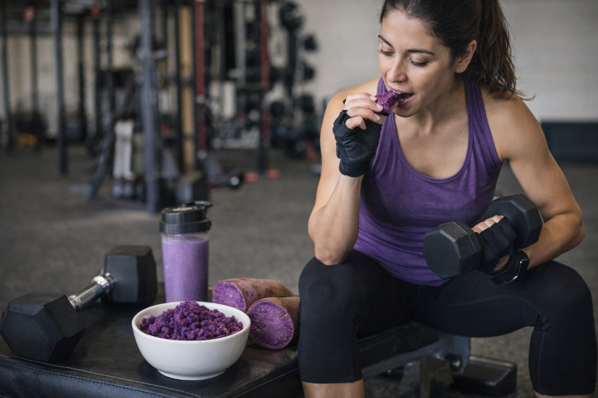
Incorporating ube into your pre-workout routine doesn’t require culinary expertise. Its mild, sweet taste works well in both sweet and savoury dishes, offering flexibility for athletes with various dietary preferences. One of the easiest ways is to roast or boil the tuber, mash it, and combine it with a protein source like eggs or plant-based protein. That combination balances energy and muscle support key for a strong workout.
For those preferring lighter options, a smoothie with ube, almond milk, and banana offers a fast-digesting, pre-exercise boost that won’t feel heavy. The starch from ube helps sustain the workout, while the banana complements potassium needs. Ube can also be stored well in meal-prepped containers for up to five days, making it suitable for athletes who plan meals in advance. Whether you train in the morning or after work, having a pre-cooked portion of ube available can simplify your routine and reduce the temptation of reaching for sugary energy bars or snacks.
Who can benefit most from eating ube before sport?
While ube is suitable for most people, certain types of athletes may find it particularly useful. Endurance athletes such as runners, swimmers or cyclists require stable energy over long periods. The slow-release carbs in ube meet that need effectively. Strength-based athletes, including bodybuilders and CrossFit enthusiasts, can also benefit from ube’s carb load to help refill muscle glycogen stores. Combined with lean protein, ube creates a satisfying and balanced pre-training meal. Recreational gym-goers who find themselves fatigued halfway through a session might discover that switching from simple carbs to something like purple yam makes a real difference in performance and mood.
See also: Affordable Engagement: Your Guide to Cheap TikTok Likes in 2025
Ube and special diets
Ube is naturally gluten-free and vegan-friendly, meaning it’s a flexible choice for people with dietary restrictions. It fits well into plant-based diets and can be consumed by individuals who avoid wheat, making it an inclusive food choice across training communities. Its natural sweetness also makes it a useful sugar substitute in healthy baking, especially for those looking to reduce processed sugar intake without compromising taste.
Final thoughts and takeaways
Ube isn’t just a pretty purple tuber it’s a nutrient-dense, versatile food that can support energy levels, recovery and overall wellness for people who lead an active lifestyle. Whether you’re chasing personal bests or simply trying to feel better during your workouts, adding ube to your pre-training plate might be a smart and colourful move.
Have you tried fuelling your workouts with ube? Let us know how it made you feel or share your favourite pre-exercise recipe. Every athlete has their own rhythm maybe ube can help you find yours.